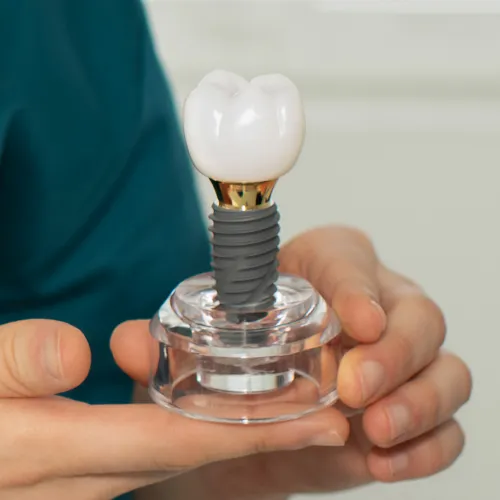
How Long Do Dental Implants Last and What Happens If They Fail?
Discover the lifespan and success rate of dental implants. Learn what happens if they fail and how to protect your smile. Contact Hillside Dental Care today!
Read More

Restorative Dentistry
Most people don’t think much about fillings until they need one. You hear the word “cavity,” your mind jumps to drills, and the next thing you want is for it to be over quickly. But here’s the truth. Not all fillings are the same, and the type you choose can affect comfort, appearance, longevity, and even how your tooth feels years from now.
At Hillside Dental Care, we believe patients deserve clarity, not rushed decisions. Tooth fillings are incredibly common, but they are also surprisingly personal. Your bite, your habits, your health history, and your priorities all matter when deciding what material works best for you.
This article breaks down filling types in a way that feels practical and grounded, so you can walk into your appointment informed and confident.
A filling is not just about closing a hole in a tooth. It is about restoring strength, protecting the tooth from future damage, and keeping your bite comfortable and balanced.
The right filling should:
Choosing the wrong type can lead to issues like sensitivity, cracking, or the need for replacement sooner than expected. That is why understanding your options is more than helpful. It is essential.
Let’s start with the materials you are most likely to hear about during a dental visit. Each one has strengths, limitations, and ideal use cases.
1. Composite Resin Fillings:
Composite fillings are often referred to as white fillings because they are designed to match the natural color of your teeth.
Why patients choose composite fillings:
Composite fillings are popular for a reason. They look natural and feel comfortable, especially for small to medium cavities. Advances in dental materials have made them more durable than ever, though they may still wear faster than metal fillings in areas with heavy chewing pressure.
2. Amalgam Fillings:
Amalgam fillings are silver in color and have been used in dentistry for decades.
Why amalgam fillings are still used:
While amalgam fillings are durable, they are more noticeable and require more tooth structure to be removed during placement. Many patients today prefer alternatives due to aesthetics or personal health preferences.
3. Ceramic Fillings:
Ceramic fillings are usually made from porcelain and are crafted to closely mimic the look of natural teeth.
What sets ceramic fillings apart:
Ceramic fillings tend to cost more than composite or amalgam, but many patients feel the aesthetics and durability justify the investment, especially for visible teeth.
4. Gold Fillings:
Gold fillings are less common today but still considered one of the most durable options.
Why some patients still choose gold:
That said, gold fillings are very visible and typically more expensive. They also require multiple visits, which makes them less convenient for most patients.
There is no universal best filling for everyone. The best filling is the one that fits your tooth, your bite, and your priorities.
Dentists typically consider several factors before recommending a filling type:
At Hillside Dental Care, the goal is never to push a single option. It is to explain what will work best for your specific situation and let you make an informed choice.
Safety is a common concern, and understandably so. Patients often ask about materials, long term exposure, and overall health impact.
Here is what matters most when it comes to filling safety:
Composite and ceramic fillings are often favored by patients seeking metal free options. Amalgam fillings have been studied extensively and are still considered safe for most people, though some patients prefer alternatives based on personal comfort or health considerations.
If you have specific medical concerns, allergies, or sensitivities, your dentist should always factor that into the recommendation.
White fillings are often perceived as better, but the real answer depends on what you mean by better.
White fillings may be better if you value:
However, they may not always be the best option for very large cavities or areas that take heavy chewing force. In those cases, other materials may offer longer lasting protection.
White fillings are an excellent choice for many patients, especially when aesthetics and comfort are top priorities. The key is understanding where they perform best and where alternatives might be more reliable.
Understanding the process can help reduce anxiety and make the experience smoother.
A typical filling appointment includes:
Most fillings are completed in a single visit, and patients can return to normal activities shortly afterward. Mild sensitivity is common at first but usually fades quickly.
The lifespan of a filling depends on the material, placement, and daily habits.
Average longevity by type:
Good oral hygiene, regular dental visits, and avoiding habits like chewing ice or grinding teeth can extend the life of any filling.
Fillings do not last forever. Being aware of warning signs can help you address issues early.
Watch for:
If something feels off, it is always worth having it checked.
Tooth fillings are not one size fits all. What works beautifully for one person may not be ideal for another.
At Hillside Dental Care, we take time to explain your options clearly and honestly. Our goal is to protect your teeth while respecting your comfort, preferences, and long term oral health.
If you have been told you need a filling or you have questions about an existing one, schedule an appointment with Hillside Dental Care. Together, we can choose the option that supports your smile today and for years to come.










Tucson, AZ PREMIER DENTISTRY
Monday - Thu 8a - 3p
Fri - Sun Closed
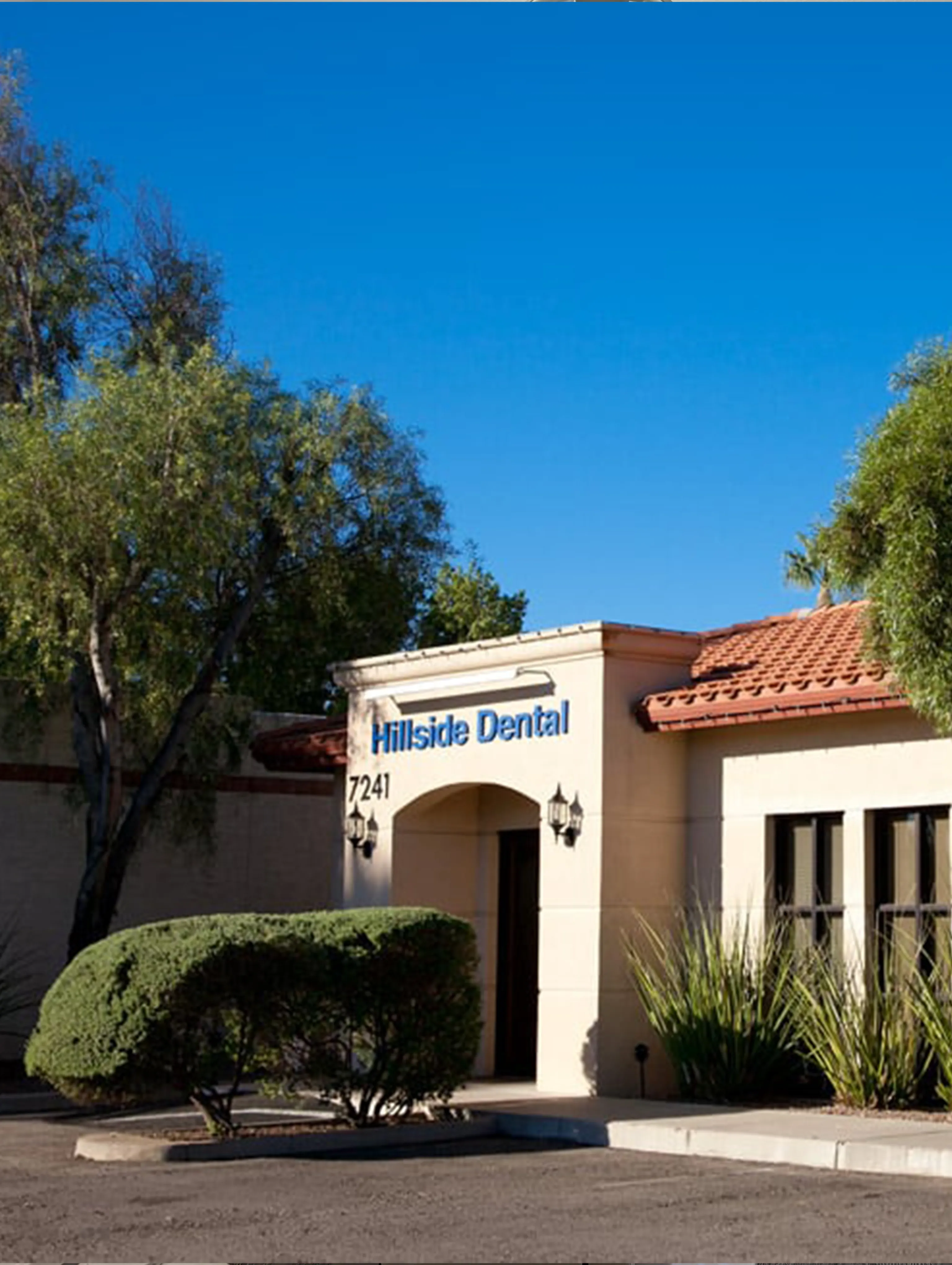
7241 North Thornydale Rd
Tucson, AZ 85741
YOUR NEW DENTISTS IN Tucson
Check out what our patients are saying













EMERGENCY DENTAL CARE Tucson, AZ
Upholding the highest standards of dental excellence through our esteemed accreditations and industry affiliations


DENTAL CARE TEAM Tucson, AZ
OUR SOCIALS
Check us out and follow our accounts on the following social media platforms