
How Do I Know If I Am a Good Candidate for a Smile Makeover?
Wondering if you are a good candidate for a smile makeover? Learn what age is best and how to know if you need one. Schedule your consultation today!
Read More
Cosmetic Dentistry
Veneers tend to spark a mix of curiosity and excitement. People love how much they can transform a smile, yet the steps behind them often feel mysterious. If you have ever wondered how such thin pieces of porcelain can make such a big difference or whether they last as long as people say, you are not alone. Veneers have become one of the most talked about cosmetic treatments because they strike a rare balance. They make a dramatic change without asking you to completely reinvent your routine or personality.
At Hillside Dental Care, many patients come in with screenshots of their favorite smiles or quiet hopes of finally fixing a chip or discoloration they have had for years. Veneers offer a comfortable, natural looking way forward. This blog explores how they work, what the process looks like, and how to decide if they fit your long term goals.
This is one of the most common questions people ask, and it has a few layers worth understanding. Veneers are considered a long term cosmetic treatment, but the word permanent can be confusing. Your veneers themselves can last many years with proper care. Porcelain veneers, which are the most popular option, often last more than a decade because they resist stains and are strong enough to handle everyday use. Composite veneers hold up well too but usually have a shorter lifespan.
The part that leans closest to permanent is the preparation process. To place veneers, your dentist removes a very small amount of enamel from the front of your teeth. This step allows the veneers to sit smoothly and naturally without looking bulky. Once enamel is removed, it cannot grow back, which means you will always need a veneer or another type of restoration on that tooth in the future.
Permanent in this context does not mean veneers stay on forever without maintenance. You may eventually replace them due to natural wear or changes in your gum line. Regular dental visits, polishing, and good brushing habits extend their lifespan significantly. Many patients enjoy their veneers for so long that replacing them simply becomes part of the natural rhythm of maintaining a beautiful smile.
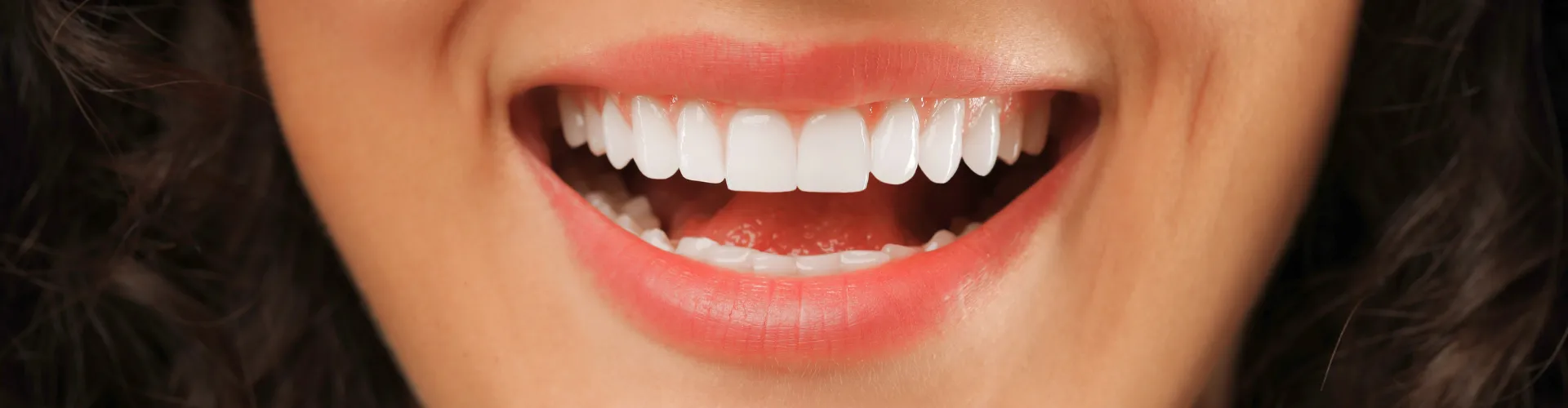
Veneers work by enhancing the front surface of your teeth with custom made porcelain or composite shells that mimic the color, shine, and translucency of natural enamel. Instead of covering the entire tooth like a crown, a veneer only covers the visible front portion. This allows you to keep most of your natural tooth structure while still benefiting from a dramatic cosmetic improvement.
They solve a range of concerns. Some patients want whiter teeth that stay bright for years without repeated whitening sessions. Others want to fix chips, small gaps, uneven shapes, worn enamel, or teeth that look slightly rotated. Veneers create a balanced, harmonious smile by giving each tooth the shape and shade it needs to complement the rest of your face.
What surprises many people is how thin veneers are. Even porcelain veneers, known for their durability, are often compared to contact lenses in thickness. Despite being thin, they are extremely strong once bonded to your teeth. The bonding process creates a secure fit that blends invisibly with the natural tooth underneath.
Veneers work best when your natural teeth and gums are healthy. If you have untreated cavities or gum issues, your dentist will address those first to make sure your veneers have a stable foundation. When placed on healthy teeth, veneers act like a long term cosmetic upgrade that moves with you, feels natural, and becomes part of your everyday confidence.
The veneer process is a team effort between you and your dentist, and it usually involves two to three visits. Your first visit focuses on conversation and planning. You discuss your goals, the look you want, and any concerns about shape, shade, or symmetry. Your dentist examines your teeth and gums, takes digital scans or impressions, and ensures veneers are right for you.
The next step is preparing the teeth. Your dentist removes a small amount of enamel from the front surface to make room for the veneers. This is a careful and conservative process designed to keep your teeth strong while ensuring your veneers fit comfortably. After preparation, your dentist takes precise molds of your teeth. These molds guide the dental lab in creating veneers that match your smile, your bite, and even the way light reflects off your teeth.
Temporary veneers are placed while you wait for the final ones. These give you a preview of your future smile and protect your teeth. Many patients enjoy this part because it helps them adjust to the idea of a new look.
When your final veneers arrive, the fitting appointment begins. Each veneer is placed individually so your dentist can check the shade, shape, and alignment. Once everything looks perfect, the bonding process starts. Your teeth are cleaned and prepared with a special material that helps the veneers adhere securely. The veneers are then placed and cured with light to lock them into position. After that, your dentist makes small adjustments so your bite feels natural.
The moment you see your new smile is often the best part of the process. Patients leave feeling more confident, more polished, and relieved that the experience was easier and more comfortable than expected.
Living with veneers is much like living with your natural teeth. You brush, floss, and visit your dentist for routine cleanings. Veneers do not require special care, but they do benefit from healthy habits. Avoid biting hard objects, opening packages with your teeth, or chewing on ice. If you grind your teeth at night, a night guard may be recommended to protect your veneers and natural teeth.
One of the advantages of veneers is how well they resist stains. Porcelain veneers stay bright even if you enjoy coffee, wine, or tea. Composite veneers can stain more over time, but regular polishing at your dental visits helps keep them looking fresh.
Veneers also age naturally with your smile. Over the years, slight changes in your gums or natural teeth can affect how the veneers look. When you replace them, your dentist often updates the shape or shade to match your current smile goals.
Veneers are designed for people who want a long term solution to chips, discoloration, mild misalignment, gaps, or worn enamel. They are also ideal for people who want a brighter and more uniform smile without repeating whitening treatments. If you have healthy teeth and gums and envision a smile that feels more polished and aligned with your personality, veneers could be a great fit.
During a consultation at Hillside Dental Care, you can explore your options, preview possible results, and learn exactly how veneers would work for your smile. Many patients describe the process as life changing because it allows them to smile freely without overthinking how their teeth look in photos or everyday conversations.
If veneers have been on your mind, this is the perfect time to learn what they can do for you. At Hillside Dental Care, we create veneers that look natural, feel comfortable, and last for years. Your smile should reflect your confidence, and veneers offer a beautiful way to reach that goal.


Tucson, AZ PREMIER DENTISTRY
Monday - Thu 8a - 3p
Fri - Sun Closed
7241 North Thornydale Rd
Tucson, AZ 85741
YOUR NEW DENTISTS IN Tucson
Check out what our patients are saying


EMERGENCY DENTAL CARE Tucson, AZ
Upholding the highest standards of dental excellence through our esteemed accreditations and industry affiliations


DENTAL CARE TEAM Tucson, AZ
OUR SOCIALS
Check us out and follow our accounts on the following social media platforms