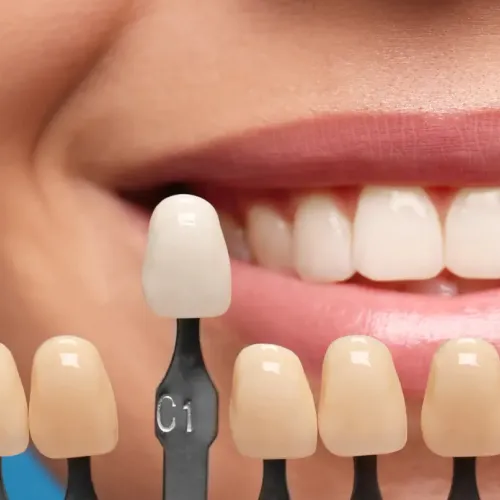
Can Teeth Rot Under Veneers? What No-Prep and Traditional Veneers Actually Do to Your Enamel
Can teeth rot under veneers? Learn how no-prep and traditional veneers affect enamel and how proper care can help protect your teeth.
Read More
Restorative Dentistry
Medically Reviewed by Frank Wolf, DDS
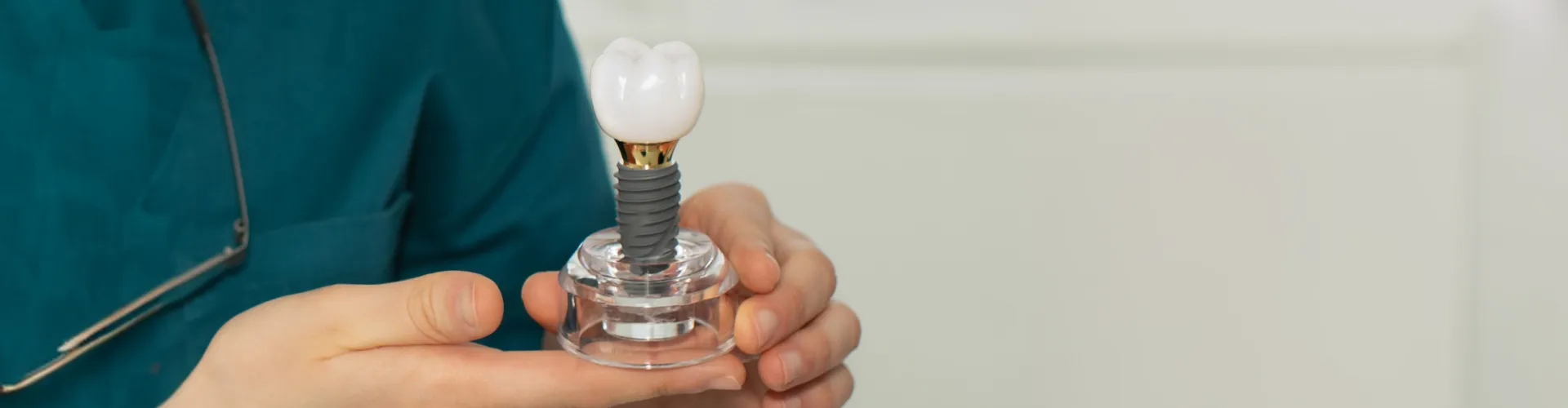
Dental implants are designed to be a lifelong tooth replacement, but the full picture is more nuanced — the titanium post can last a lifetime while the visible crown typically needs replacement after 10–15 years. Understanding when and why implants fail helps you protect your investment and your smile.
Most patients hear the word permanent and assume the entire implant — post, connector, and crown — will never need attention again. That's only partially true, and the distinction matters.
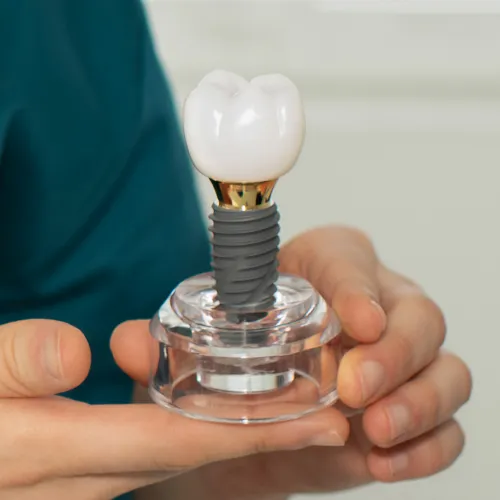
The titanium screw fused into your jawbone is genuinely built to last. Through a process called osseointegration, the bone grows directly around the implant, creating a bond that can remain stable for 25 years or longer. According to Cleveland Clinic, with proper care, an implant can last a lifetime.
The crown sitting on top is a different story. That visible prosthetic tooth endures daily biting forces, temperature changes, and normal wear. Most crowns last 10 to 15 years before they chip, wear down, or require replacement. You can find helpful information about dental crowns in Tucson AZ if you want to understand more about how crowns work alongside implants. A Healthline overview on implant longevity confirms that while the implant itself is designed to be permanent, the attached crown may eventually need replacing due to normal wear and tear.
Here's what this means practically: replacing a worn crown is a straightforward appointment. The titanium post in your jaw stays exactly where it is. Only the visible portion gets swapped out. This is far less involved than starting the implant process from scratch — but it is something to anticipate and plan for.
Teeth grinding accelerates crown wear significantly. If you grind at night, mention it during your consultation. A custom night guard can extend the life of your crown considerably.
You've probably seen implants described as having a 95–98% success rate. That figure is accurate — but it flattens a more interesting story about when implants fail and why.
Research published on Healthline from a large study found survival rates of 98.9% at 3 years, 98.5% at 5 years, 96.8% at 10 years, and 94.0% at 15 years. Success decreases gradually over time — not because the titanium breaks down, but because of what happens around it.
Early failure (0–6 months) occurs before osseointegration completes. Causes include insufficient jaw bone density, surgical complications, or disrupted healing. Smokers face a dramatically higher early failure rate — some studies put it as high as 20% — because restricted blood flow slows the bone-fusing process.
Late failure (1–10+ years) is a different problem entirely. The most common culprit is peri-implantitis, an infection of the tissue surrounding the implant that mirrors gum disease. Patients who sail through surgery sometimes grow complacent about oral hygiene years later, which is precisely when this risk rises.
Watch for these warning signs regardless of how long ago your implant was placed:
Late-stage failure is not inevitable. It is largely preventable with consistent brushing, flossing, and routine prophylaxis cleanings that are vital for your oral health. Mayo Clinic notes that patients committed to non-smoking and good oral hygiene are the strongest candidates for long-term success.
Implant failure is uncommon, but understanding your options removes the anxiety around it.
If an implant fails early — meaning osseointegration never fully occurs — the post is typically removed, the site is allowed to heal, and a second attempt is made once conditions improve. A bone graft may be placed first if density was the original issue. In some cases, a tooth extraction may be a necessary step before the site can be properly prepared for a replacement implant.
Late-stage failure caused by peri-implantitis is treated by addressing the infection first. If bone loss is significant, grafting may again be necessary before replacement. The American Academy of Periodontology emphasizes that preserving the surrounding bone is critical to the long-term stability of any replacement.
One practical area patients rarely ask about: what guarantees exist? Many implant manufacturers offer warranties on the physical hardware itself — covering a fractured screw or material defect. Separately, many clinicians offer a clinical guarantee, typically covering a failed integration within 12–24 months of placement at no additional charge. Ask your provider directly what their policy covers.
Importantly, patient behaviors can void clinical guarantees. Starting smoking after surgery, skipping bi-annual cleanings, or ignoring early symptoms of infection are the most common reasons a practice may decline to cover a replacement procedure. Knowing this upfront gives you full control over protecting that guarantee.
Not every patient is an ideal candidate at the time of consultation — but many can become one.
Strong candidates have adequate jawbone density, healthy gum tissue, and no uncontrolled systemic conditions that impair healing. WebMD's overview of dental implants for seniors confirms that age alone is not a disqualifying factor — health status matters far more than the number of birthdays you've had.
Conditions like uncontrolled diabetes, autoimmune disorders, or ongoing cancer treatment can slow osseointegration. Medications including bisphosphonates and certain antidepressants have also been associated with integration challenges. These aren't automatic disqualifiers — they're conversations to have openly with your dental provider before scheduling surgery. Patients who experience anxiety about dental procedures may also want to explore sedation dentistry in Tucson AZ as an option to make the process more comfortable.
If bone loss has already occurred, a grafting procedure can rebuild the foundation needed for a successful implant. It adds time to the process, but it expands candidacy significantly. For patients missing multiple teeth, it's also worth reviewing answers to common questions about dentures to understand how implant-supported options compare to traditional solutions.
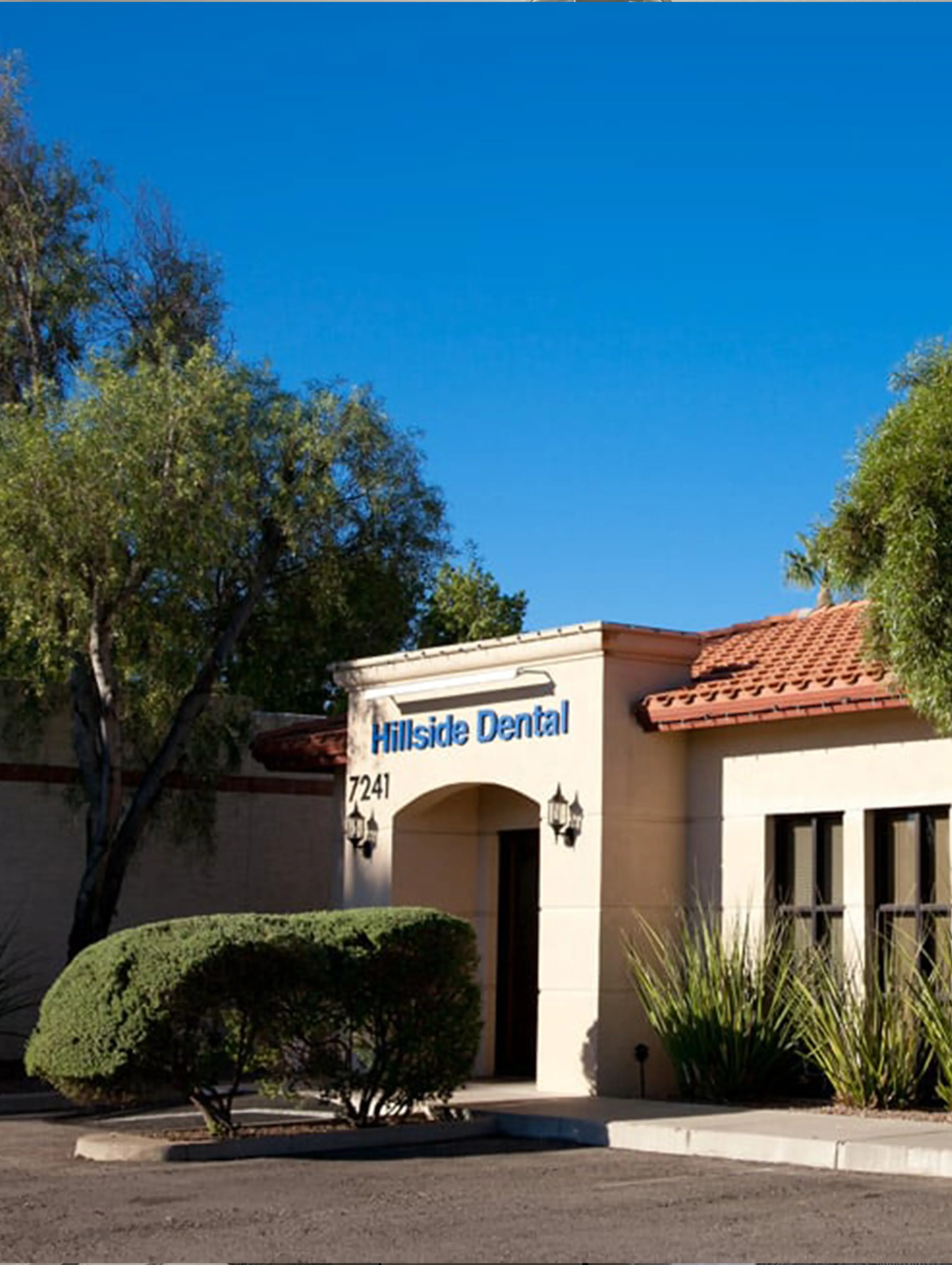
If you're weighing tooth replacement options in the Tucson area, the team at Hillside Dental Care is here to help you understand what to expect — from the first consultation through long-term maintenance. We serve patients across Southern Arizona and take time to answer the questions that actually matter to you. You can also discover ways to improve your smile with cosmetic dentistry beyond implants if you're exploring all your options.
Reach out to schedule a consultation and get a clear picture of your candidacy, your options, and your timeline.
This article is intended for informational purposes only and does not constitute medical advice. Please consult with a qualified dental professional before making any decisions about your oral health care.





Tucson, AZ PREMIER DENTISTRY
Monday - Thu 8a - 3p
Fri - Sun Closed
7241 North Thornydale Rd
Tucson, AZ 85741
YOUR NEW DENTISTS IN Tucson
Check out what our patients are saying













EMERGENCY DENTAL CARE Tucson, AZ
Upholding the highest standards of dental excellence through our esteemed accreditations and industry affiliations

DENTAL CARE TEAM Tucson, AZ
OUR SOCIALS
Check us out and follow our accounts on the following social media platforms