Medically Reviewed by Frank Wolf, DDS
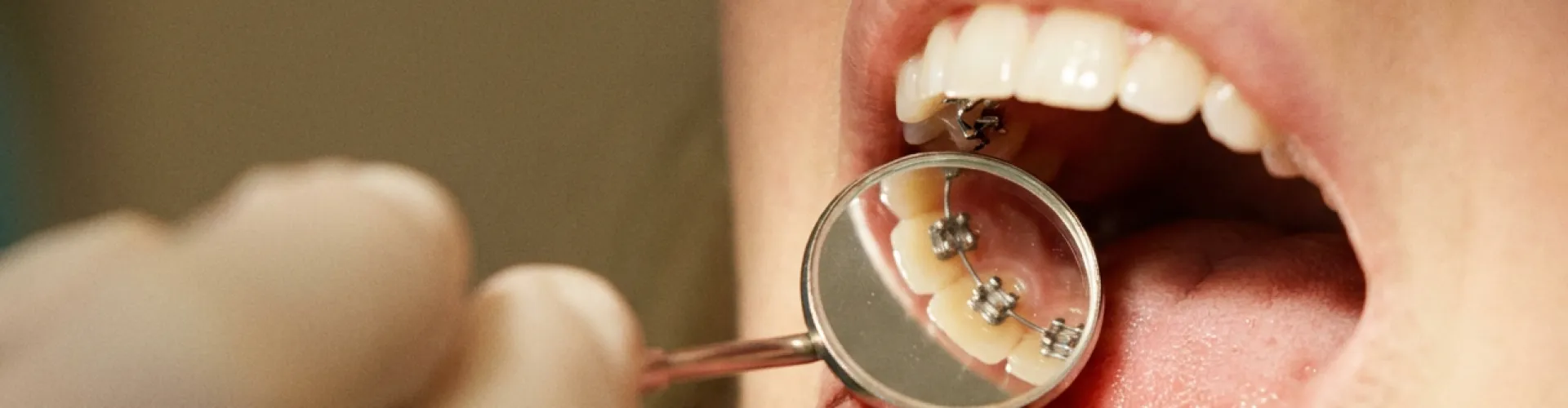
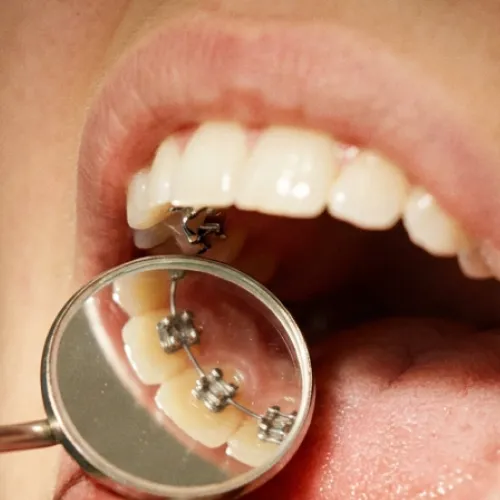
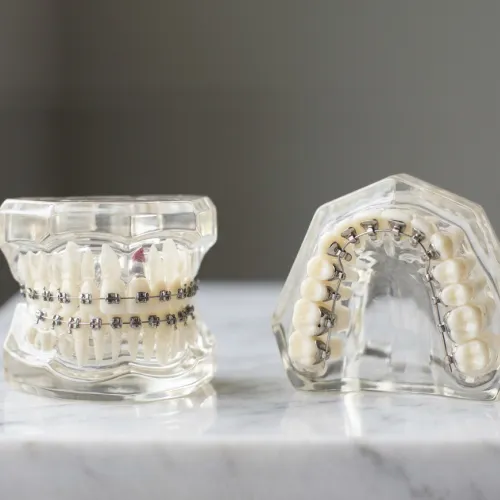
Lingual braces are nearly invisible, fixed orthodontic appliances bonded to the back of your teeth — but they're not as widely available or straightforward as most people assume. From provider shortages to specific bite conditions that complicate treatment, here's what's actually driving the gap between interest and uptake. If you're also exploring other ways to enhance your smile with cosmetic dentistry, understanding all your options is a good place to start.
The Real Reason Your Orthodontist May Not Offer Them
Most people assume lingual braces are rare because patients don't want them. The actual bottleneck is on the provider side.
Lingual orthodontics requires a completely different set of biomechanical skills compared to conventional braces. Orthodontists must work inverted — on the tongue side of the mouth — which creates significant physical ergonomics challenges, including chronic neck and lower-back strain from extended chair-time in an awkward position. Many orthodontists complete their training without ever placing a lingual bracket clinically.
On top of that, lingual systems like Incognito and Harmony require indirect bonding setups using custom CAD/CAM-fabricated brackets — often milled from gold or cobalt alloys in specialized dental labs. This process is time-consuming and demands additional certification. As Healthline explains, not all orthodontists are trained to apply lingual braces, and they recommend asking about this early in the process — because many general orthodontists who technically list the service will actively steer patients toward Invisalign to avoid the chair-time inefficiencies involved.
If you're seeking lingual braces in Tucson or Southern Arizona, ask specifically whether the provider places them regularly — not just occasionally. A Tier-1 lingual specialist will have dedicated indirect bonding workflows and familiarity with multiple lingual bracket systems. A provider who offers them as an afterthought will likely have limited case experience.
According to WebMD, lingual braces can be customized using CAD/CAM software, which contributes to their precision — but also to their complexity and limited availability.
Do Lingual Braces Actually Take Longer? (The Repair Problem Nobody Talks About)
Treatment timelines with lingual braces are often quoted at roughly the same range as conventional braces. Healthline's overview of braces duration notes that lingual braces are as effective as — or more effective than — metal braces or clear aligners in terms of tooth movement. So why do so many patients finish later than expected?
The real timeline risk isn't tooth mechanics. It's bracket repair logistics.
With conventional labial braces, a popped bracket is a quick fix — stock brackets are kept on-site, and replacement takes about ten minutes at your next visit. Lingual brackets are different. Because they're custom-fabricated to fit the precise contours of each individual tooth, a sheared bracket can't simply be swapped from a drawer. It must be re-ordered from the original dental lab, a process that often takes two to four weeks.
During that window, active orthodontic force stops on that tooth entirely. Depending on where the bracket breaks and how far into treatment you are, that delay can cascade — adding unplanned months to your overall timeline.
This is a meaningful practical consideration that most patients don't learn until they're mid-treatment. If your orthodontist uses a lingual system with custom lab fabrication, ask upfront: What's the turnaround time if a bracket shears? Do they keep any backup components on-site? It's also worth keeping up with routine prophylaxis cleanings throughout treatment to maintain your oral health around the hardware.
Who Isn't a Good Candidate — And Why Deep Bites Are a Special Problem
WebMD notes that lingual appliances are a strong option for adults who are self-conscious about appearance. But candidacy depends heavily on bite geometry — and one condition in particular creates serious daily challenges: deep overbites.
Here's the clinical reason. When a patient with a deep overbite closes their mouth, the upper incisors physically strike the lower lingual brackets. Every bite risks shearing the bracket off entirely. To prevent this, orthodontists must place "bite turbos" — small acrylic blocks bonded behind the upper front teeth — to prop the jaw open slightly and stop the upper teeth from contacting the lower brackets.
The consequence is significant. With bite turbos in place, the back molars can't fully touch for the first three to six months of treatment. Chewing solid food becomes genuinely difficult — not just uncomfortable. This is the primary clinical reason many orthodontists steer deep-bite patients toward hybrid systems: lingual brackets on the upper arch combined with clear ceramic brackets on the lower, eliminating the strike zone entirely.
Healthline's lingual braces overview confirms that patients with very deep overbites may experience more frequent bracket breakage, and that a thorough orthodontic examination is essential before committing to a fully lingual approach.
Other patients who may not be ideal candidates include those with very small teeth (limited bonding surface for brackets), patients who play wind instruments professionally, and those who need only minor corrections where removable aligners would achieve the same outcome with fewer complications. In some cases where teeth are significantly damaged or compromised, dental crowns may also be part of the broader treatment picture before orthodontic work begins.
Pain, Speech, and What Adjustment Actually Looks Like
Discomfort with lingual braces is real — and slightly different in character than with conventional braces. Because the brackets sit against the tongue, initial irritation tends to concentrate there rather than on the lips and cheeks. According to WebMD, studies on pain levels are mixed, but orthodontic wax, over-the-counter pain relief, and soft foods during the first weeks are standard recommendations. Patients who experience persistent tooth pain beyond the typical adjustment window should consult their provider promptly.
Speech adjustment is the other major early hurdle. The tongue uses the back of the upper teeth as a reference point for producing certain sounds — particularly "s," "t," and "d." Lingual brackets disrupt that reference. Most patients notice a temporary lisp that resolves within two to four weeks as the tongue adapts. For people who speak publicly or professionally, this adjustment period is worth factoring into the timing of treatment.
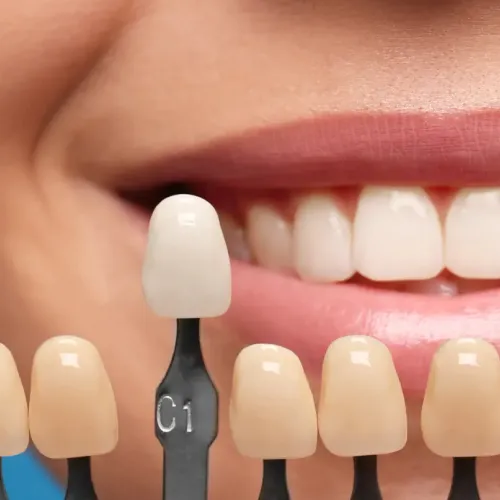
The upside that drives continued interest? Genuine invisibility. Healthline's overview of adult braces notes that lingual braces are virtually invisible and work just as quickly as conventional braces — a combination no other fixed orthodontic system currently matches. For patients who want aesthetic improvements beyond alignment, veneers are another option worth discussing with your provider after orthodontic treatment is complete.
Ready to Find Out If You're a Candidate in Tucson?
Lingual braces aren't the right fit for every patient — but for the right candidate, they offer something no other fixed appliance can: a fully corrective treatment that nobody can see. The key is working with a provider who has genuine experience placing them, not just listing them as an option.
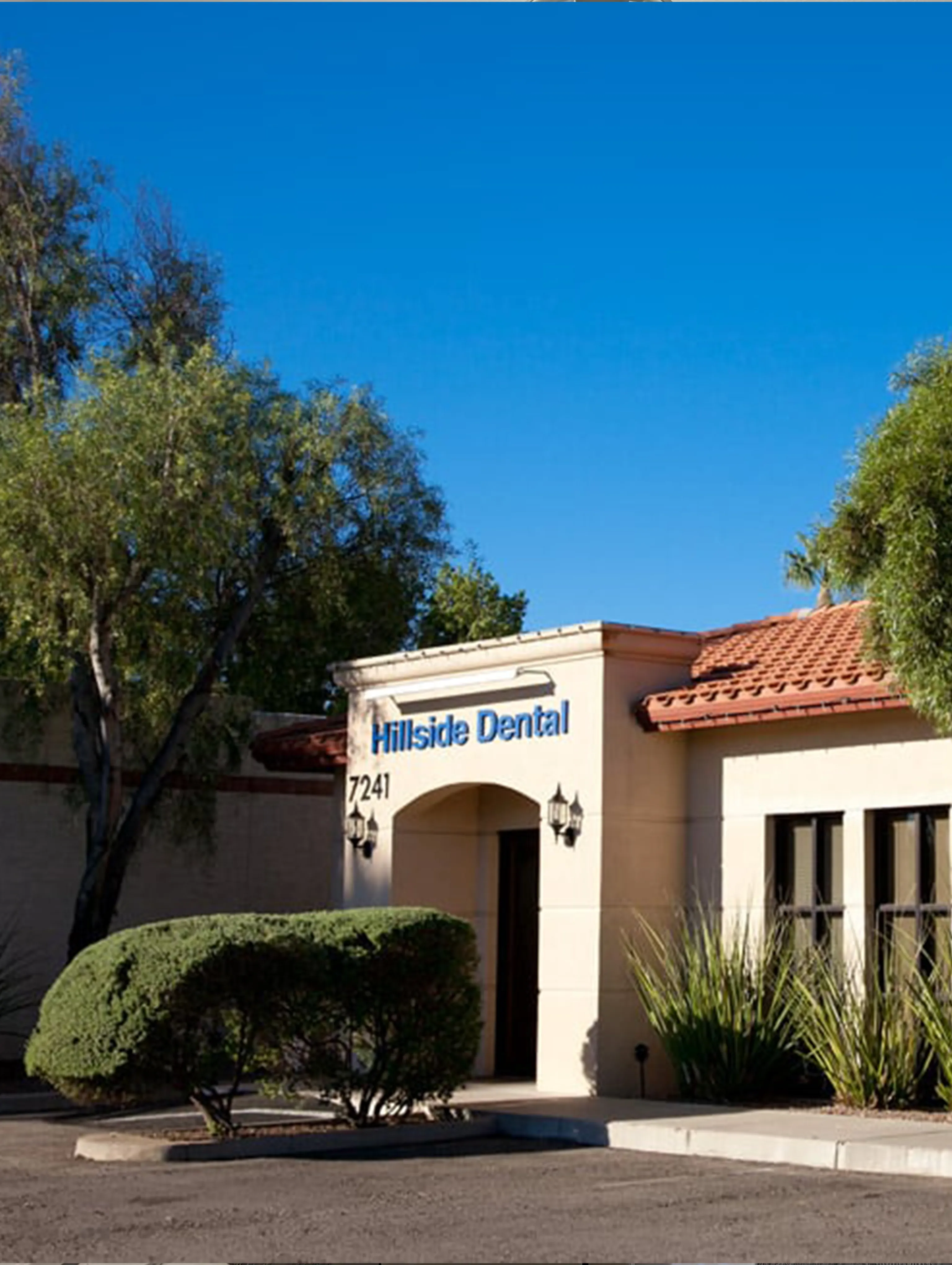
Hillside Dental Care serves patients throughout Tucson and Southern Arizona. If you're curious about lingual braces or want to explore which orthodontic approach fits your bite, timeline, and lifestyle, reach out to schedule a consultation. You may also find it helpful to discover ways to improve your smile with cosmetic dentistry as part of your overall treatment planning.
Medical disclaimer: This article is intended for general informational purposes only and does not constitute professional dental or medical advice. Always consult a licensed dental professional for diagnosis and treatment recommendations specific to your situation.
















DENTAL CARE TEAM Tucson, AZ
OUR SOCIALS
Check us out and follow our accounts on the following social media platforms