
Gingivitis vs. Periodontal Disease: How to Tell the Difference
Wondering if it's gingivitis or periodontal disease? Learn the key stages of gum disease and protect your smile. Contact Hillside Dental Care to book today!
Read More

Emergency Dentistry
Medically Reviewed by Frank Wolf, DDS
Gingivitis and periodontitis are both forms of gum disease, but they sit at opposite ends of the damage spectrum — one is fully reversible, the other permanently changes your oral health status. Knowing which stage you're in changes everything about your treatment path.
Most patients hear their hygienist call out numbers during a cleaning and assume it's routine notation. It isn't. Those numbers are your diagnosis in real time.
A tiny instrument called a periodontal probe measures the depth of the space between your gum and tooth. According to the NIDCR, healthy pockets typically measure between 1 and 3 millimeters. Here's what the range actually means:
The critical distinction is Clinical Attachment Loss (CAL). Gingivitis creates what are called pseudopockets — the gum swells and appears deeper, but zero bone or connective tissue has been destroyed. Periodontitis involves true attachment loss. That bone does not grow back. The pocket is real, permanent, and requires a fundamentally different treatment protocol going forward.
This is why self-diagnosis by looking in a mirror is unreliable. Gums can look pink and relatively normal while a 5 mm pocket with active bone loss is developing below the surface. If you're experiencing tooth pain alongside these symptoms, it may be a sign that the disease has already progressed.
Bleeding gums are the most widely recognized early warning sign of gum disease. But for patients who smoke or vape, that warning system is suppressed.
Nicotine is a vasoconstrictor. It narrows the blood vessels in gum tissue, which reduces blood flow to the area. The result: gums that look pale, feel firm, and don't bleed — even when significant bacterial inflammation is present underneath. Research highlighted by WebMD notes that early detection is your best bet precisely because the visible signs can disappear before the damage does.
Smokers and vapers frequently present with Stage II or Stage III periodontitis — with measurable bone loss already documented — without ever noticing the red, swollen, bleeding gums that would have alerted a non-smoker months or years earlier. Tobacco use also delays healing and reduces the effectiveness of treatment once it's needed, according to the NIDCR.
If you use nicotine in any form, the absence of bleeding is not reassurance. It's a reason to be more vigilant about scheduled exams, not less. Routine prophylaxis cleanings are especially important for nicotine users who may not notice the usual warning signs.
Understanding where you fall in the progression helps clarify what treatment can and cannot accomplish.
Gingivitis is the entry point. Plaque accumulates along the gumline, bacteria irritate the surrounding tissue, and the gums become inflamed. As described by Healthline, gingivitis is fully reversible with professional cleaning and improved home care. No bone has been lost. No permanent damage has occurred.
Early Periodontitis develops when untreated gingivitis allows bacteria to migrate below the gumline. True pockets form. The periodontal ligament begins to detach. Bone loss begins — and that bone will not regenerate on its own.
Moderate Periodontitis brings deeper pockets, more significant bone loss, and often tooth sensitivity as roots become exposed through gum recession.
Severe Periodontitis involves extensive bone destruction, tooth mobility, possible shifting of teeth, and a real risk of tooth loss. The ADA reports that roughly 42% of dentate U.S. adults 30 and older have some form of periodontitis — a figure that underscores how silently this disease progresses.
Once periodontitis is diagnosed, the clinical goal shifts from reversal to arrest. Scaling and root planing (SRP) removes bacterial deposits from below the gumline. After that procedure, your recall schedule permanently changes. You move from a standard preventive cleaning (typically twice yearly) to periodontal maintenance visits every three to four months — because the structural conditions that allowed periodontitis to develop cannot be fully eliminated, only managed. That reclassification is lifelong. In severe cases where teeth cannot be saved, understanding your options for dentures in Tucson AZ or other restorative solutions becomes an important part of the conversation.
Most gum disease fits the plaque-induced model described above. But not all of it does.
According to the NCBI, gingivitis can also be triggered by non-plaque factors including hormonal changes during pregnancy or menopause, certain systemic medications (including some blood pressure drugs, anticonvulsants, and immunosuppressants), and viral or fungal infections. These cases require identifying and addressing the underlying cause alongside standard periodontal care.
Necrotizing periodontal disease is a less common but more aggressive form involving tissue death at the gumline. It's associated with significant immune compromise, severe stress, and malnutrition, and requires urgent professional intervention. In some cases, a root canal may be necessary to save a tooth that has been severely compromised by advanced periodontal infection.
Periodontitis as a manifestation of systemic conditions — including diabetes and rheumatoid arthritis — reflects the bidirectional relationship between oral and overall health. Inflammation from periodontal disease doesn't stay local. Bacteria from infected gum pockets can enter the bloodstream, and ongoing systemic inflammation is associated with cardiovascular risk.
The type you have determines the treatment approach. That's why a thorough exam — including probing, X-rays, and a medical history review — is the only reliable way to know where you actually stand. Understanding how cosmetic dentistry can help restore your smile after periodontal treatment is also worth exploring once your gum health is stabilized.
If you've noticed bleeding when you brush, gum sensitivity, or teeth that look longer than they used to, don't wait to find out which side of the gingivitis-periodontitis line you're on. Hillside Dental Care serves patients throughout Tucson and Southern Arizona with comprehensive periodontal evaluation and treatment. In cases where advanced disease has led to tooth loss, our team can also discuss tooth extractions in Tucson AZ and the restorative options that follow. Early intervention changes outcomes — schedule your exam today.
Medical disclaimer: This article is intended for general informational purposes only and does not constitute professional dental or medical advice. Always consult a licensed dental professional for diagnosis and treatment recommendations specific to your situation.







Tucson, AZ PREMIER DENTISTRY
Monday - Thu 8a - 3p
Fri - Sun Closed
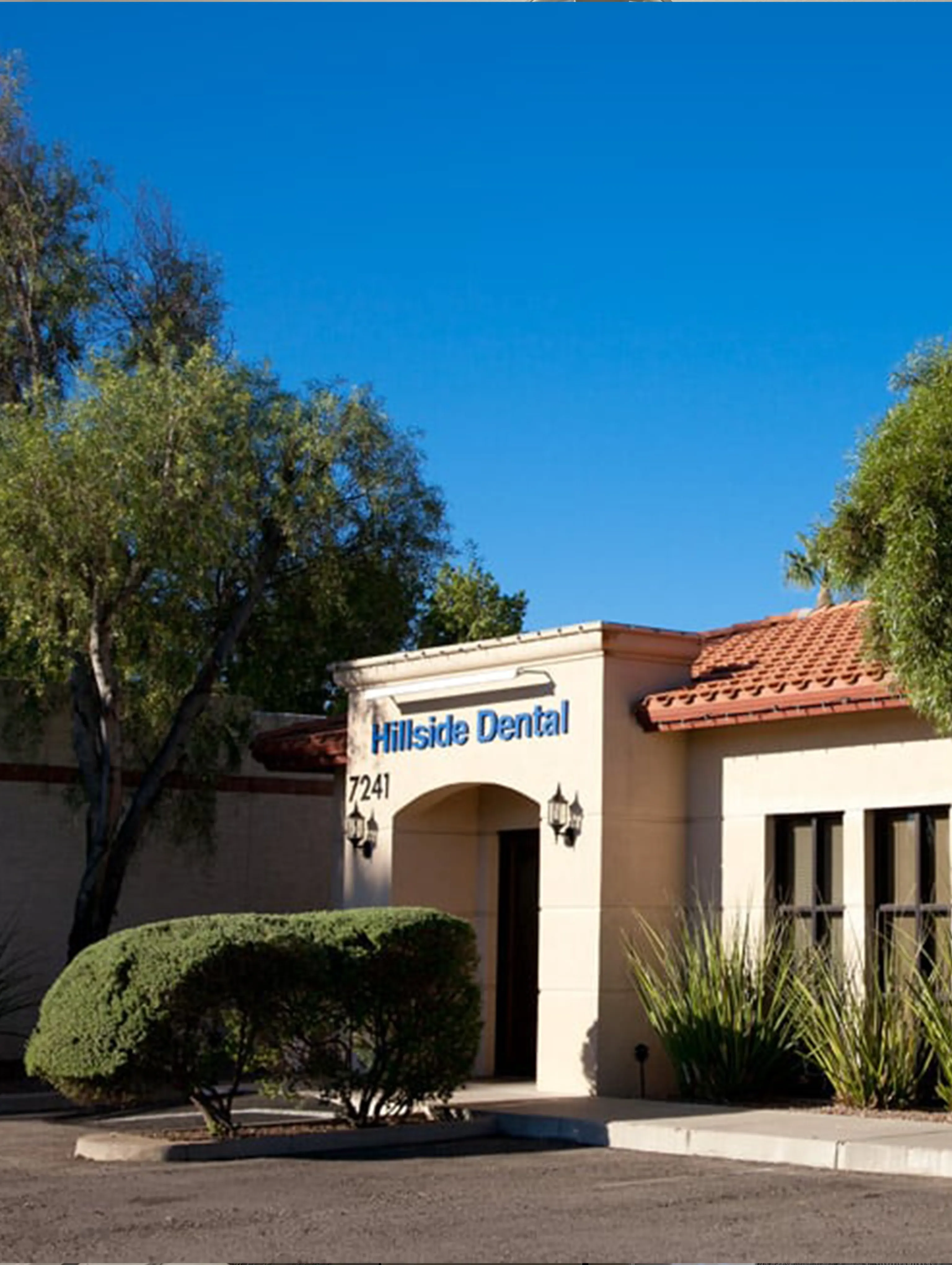
7241 North Thornydale Rd
Tucson, AZ 85741
YOUR NEW DENTISTS IN Tucson
Check out what our patients are saying













EMERGENCY DENTAL CARE Tucson, AZ
Upholding the highest standards of dental excellence through our esteemed accreditations and industry affiliations


DENTAL CARE TEAM Tucson, AZ
OUR SOCIALS
Check us out and follow our accounts on the following social media platforms