Medically Reviewed by Dr. Frank Wolf, DDS
Dental bonding and veneers both improve your smile, but they differ dramatically in how much tooth structure they sacrifice, how long they last, and what happens when something breaks. For Tucson-area patients, the "better" option depends on your age, lifestyle, and how you weigh short-term convenience against long-term biology. If you're exploring your options, discovering ways to improve your smile with cosmetic dentistry is a great place to start.
The Biological Debt Most Dentists Don't Quantify
Before comparing aesthetics or price, consider what each procedure permanently removes from your body.
Composite bonding is almost entirely additive. Your dentist roughens the surface with a mild phosphoric acid etch, then sculpts resin directly onto the tooth — typically removing zero millimeters of healthy enamel. According to WebMD, the composite resin is shaped and hardened in a single visit without the deeper preparation that veneers require.
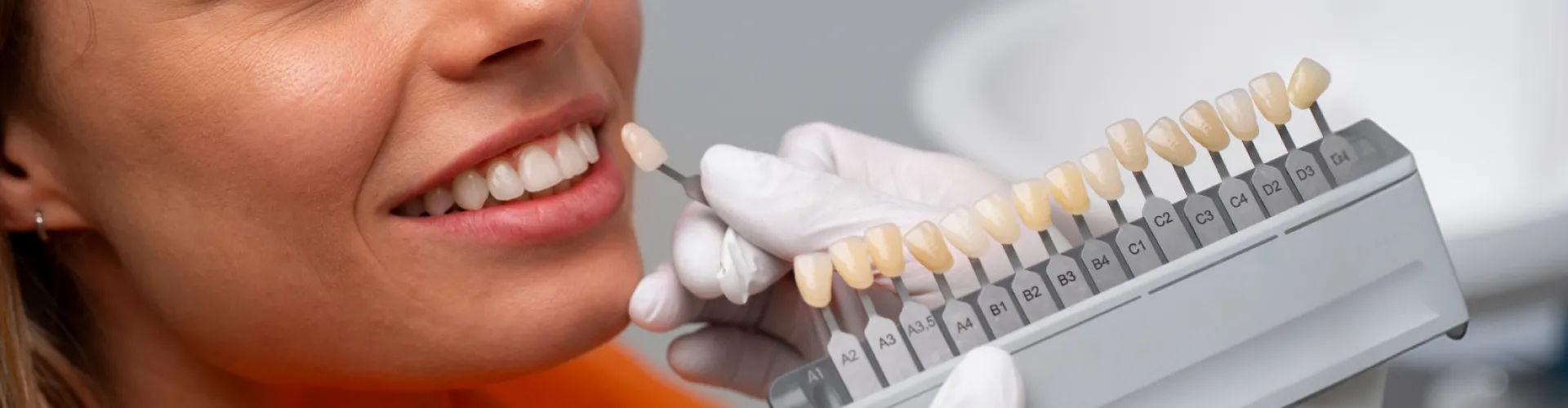
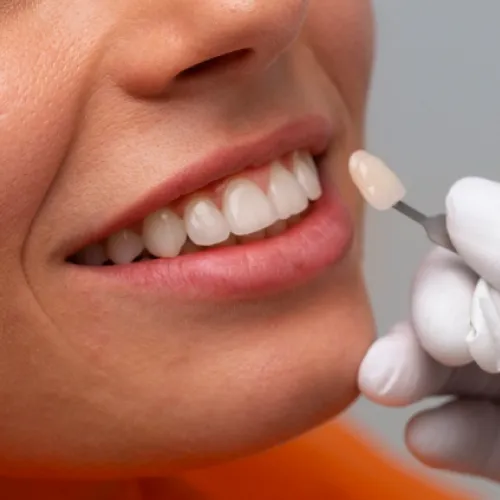
Traditional porcelain veneers are a different story. Roughly 0.5mm to 0.7mm of enamel is ground away to create space for the shell. That doesn't sound dramatic, but enamel never regenerates. For a 25-year-old patient, this math matters enormously over a lifetime.
Here's the replacement cycle to consider: porcelain veneers typically last 10 to 15 years, with some lasting up to 20. A Healthline overview of veneer longevity confirms this range. If someone gets veneers at 25, they face a replacement around 40, and another around 55. Each replacement requires fresh enamel removal. By the third cycle, there may not be enough enamel remaining to bond a new veneer — meaning a full crown becomes the only option. Dental crowns require even more tooth reduction, locking patients into an escalating restorative cycle.
Research published in PMC on laminate veneer survival rates confirms that veneers bonded to intact enamel perform significantly better than those bonded to dentin — underscoring exactly why preserving enamel from the start matters so much for long-term outcomes.
Younger patients especially should weigh this biological debt carefully before choosing porcelain.
What Happens When Something Chips at the Worst Possible Moment
Repairability is rarely discussed in cosmetic dentistry consultations, but it's one of the most practical differences between bonding and veneers.
Composite bonding can be patched chairside in a single appointment — often 30 minutes or less. Because the resin material is applied directly, a new layer bonds seamlessly to the existing restoration. The color match may not be perfect years later due to natural staining differences, but the structural fix is immediate.
A fractured porcelain veneer cannot be patched. Porcelain is a ceramic glass; there's no material that bonds reliably to a broken porcelain edge chairside. The entire veneer must be removed, a new impression taken, a temporary placed, and the case sent to a dental laboratory. That process typically takes two to three weeks. For frequent travelers, high-stakes professionals, or anyone with an event on the calendar, that timeline carries real consequences.
Mouthhealthy.org notes that porcelain veneer placement involves multiple steps including lab fabrication — meaning any failure re-enters that same multi-step process.
Composite bonding's repairability also reflects in its cost structure. Bonding runs roughly a few hundred dollars per tooth, while porcelain veneers typically range from several hundred dollars to a couple thousand dollars per tooth. The lower upfront cost of bonding, combined with easier repairs, makes it a genuinely competitive option — not just a budget compromise. Understanding whether veneers are suitable for everyone can help you determine which path makes the most sense for your situation.
The Maintenance Roadmap Nobody Mentions at Consultation
Both options require ongoing care, but the maintenance looks completely different — and this distinction rarely comes up before a patient commits.
Composite resin is a porous plastic. Over time, microscopic pitting from toothbrush abrasion, coffee, wine, and acidic foods dulls the surface. The solution isn't replacement — it's re-polishing. A brief professional appointment using aluminum oxide finishing discs can restore the original luster. Most patients benefit from this every 6 to 12 months, which adds a modest ongoing cost that's worth budgeting for upfront. Keeping up with routine prophylaxis cleanings is an important part of maintaining any cosmetic dental work.
Porcelain, by contrast, is non-porous glass. It doesn't stain the way composite does, and a Healthline comparison of veneers and Lumineers confirms that porcelain resists staining better than resin alternatives. However, once the factory glaze on a porcelain veneer wears down — which can happen from aggressive brushing or abrasive toothpastes — it cannot be restored. Polishing porcelain removes the glaze permanently. This makes toothpaste selection critical: patients with porcelain veneers should use non-abrasive formulas with low RDA (Relative Dentin Abrasivity) scores.
For composite bonding patients, the maintenance cadence is predictable and manageable. For porcelain patients, the priority shifts to protection — using a night guard if you grind, avoiding abrasive products, and treating the surface as irreplaceable. Because it is.
So Which Option Is Actually Better?
Neither option wins universally. The right choice depends on clinical factors and personal priorities working together.
Composite bonding tends to be the stronger choice when:
- You're under 35 and want to preserve maximum enamel for future options
- You need a minor fix — a chip, a gap, slight discoloration
- Your schedule demands repairability on short notice
- You want to test a cosmetic result before committing permanently
Porcelain veneers tend to be the stronger choice when:
- You have significant discoloration that composite can't fully mask
- You want superior stain resistance and long-term color stability
- You're treating multiple teeth and want a consistent, polished result
- You've already discussed the enamel commitment with your dentist and are comfortable with it
A 10-year practice-based study cited by PMC found porcelain veneers had a 91% survival rate at 20 years under the right conditions — excellent numbers when patients are properly selected and enamel is preserved during preparation.
The best cosmetic outcome isn't about which material is objectively superior. It's about matching the right material to the right patient at the right stage of their dental life. For a broader look at what's possible, enhancing your smile with cosmetic dentistry covers the full range of treatments available to Tucson patients.
Ready to Find Out Which Option Is Right for You?
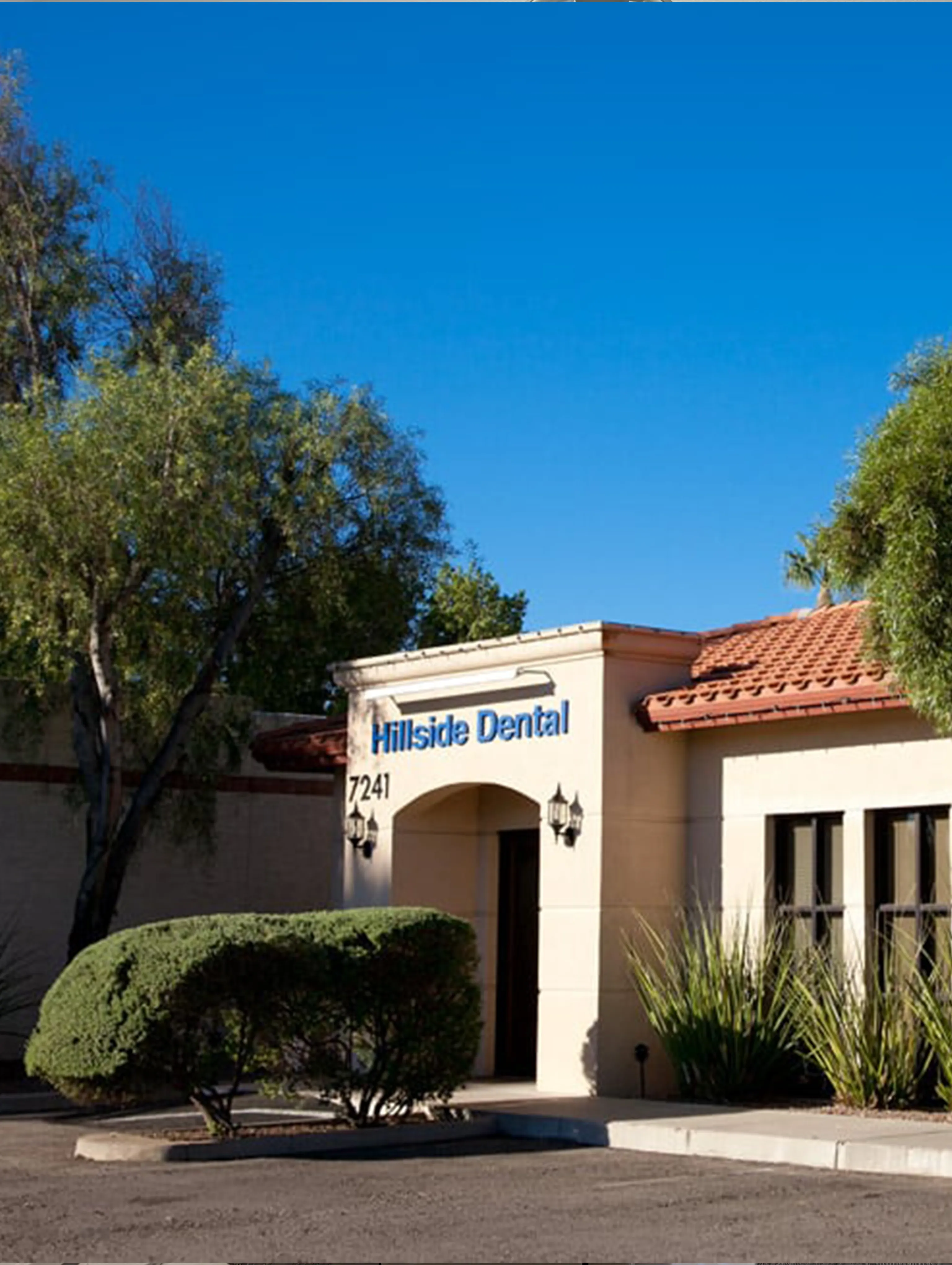
At Hillside Dental Care, we help Tucson patients make cosmetic decisions they feel confident about — not just for today, but for the next 20 years. Whether you're exploring bonding, veneers, or something else entirely, a personalized consultation with our team will give you a clear picture of your options, your timeline, and your biology. If tooth sensitivity or discomfort has been part of your experience, learning about causes and relief for tooth pain may also be helpful before your visit. Reach out to schedule your visit.
Medical disclaimer: This article is for informational purposes only and does not constitute professional dental advice. Always consult a licensed dentist for diagnosis and treatment recommendations specific to your situation. Content reviewed by Frank Wolf, DDS, Hillside Dental Care, Tucson, Arizona.



















DENTAL CARE TEAM Tucson, AZ
OUR SOCIALS
Check us out and follow our accounts on the following social media platforms