Dental crowns are one of the most useful treatments in modern dentistry. Many people hear the word “crown” and think it is only for a badly broken tooth, but crowns can do much more than that. In fact, there are many ways dental crowns are used to restore strength, improve appearance, and help patients keep their natural teeth longer.
At Hillside Dental Care, crowns are often recommended for both restorative and cosmetic reasons. A crown can protect a weak tooth, rebuild one that has lost structure, and even improve the way a tooth looks in your smile. If you have been told you might need a crown, it helps to understand why dentists use them so often and what problems they are designed to solve.
What Is a Dental Crown?
A dental crown is a custom-made cap that fits over a tooth. It covers the visible part of the tooth above the gumline and is designed to match your bite and blend with your smile.
Think of it as a protective outer layer for a tooth that needs extra help. Once placed, a crown can:
- Strengthen a damaged tooth
- Restore shape and function
- Protect a tooth from further wear or fracture
- Improve appearance and symmetry
Crowns can be made from different materials, including porcelain and porcelain-fused options, depending on the tooth location, bite forces, and your treatment goals.
Why Dental Crowns Are So Common
Dentists recommend crowns because they solve several problems at once. A crown can restore function while also improving appearance. It can protect a tooth while making it easier to chew comfortably. It can also help prevent a small problem from turning into a bigger one later.
This is why patients often discover there are many ways dental crowns are used beyond what they expected. A crown is not just about fixing damage. It is often about preserving what is left of the tooth and helping it stay healthy and useful for years.
What problems can a dental crown fix?
This is one of the most common questions patients ask, and it is a good one. Dental crowns are used to treat a wide range of issues, from structural damage to cosmetic concerns.
1. Cracked or Fractured Teeth:
A tooth can crack from biting something hard, clenching, grinding, or trauma. Some cracks are minor, but others can weaken the tooth and make it painful to chew.
A crown can help by holding the tooth together and reducing the risk of further breakage. In many cases, this allows you to keep the tooth rather than lose it.
2. Teeth With Large Fillings:
When a tooth has a very large filling, there may not be enough healthy tooth structure left to support normal chewing forces. Over time, the remaining tooth can become weak or break.
A crown can cover and support the tooth, making it stronger and more stable than a filling alone.
3. Worn-Down Teeth:
Teeth can wear down from grinding, acid exposure, or long-term wear and tear. This can change the shape of the tooth and affect your bite.
Crowns can rebuild worn teeth so they function better and look more natural again.
4. Teeth After Root Canal Treatment:
Teeth that have had root canal treatment are often more fragile, especially back teeth that handle more chewing pressure. A crown is commonly placed afterward to protect the tooth.
This is one of the many ways dental crowns are used to preserve a tooth that would otherwise be at higher risk of fracture.
5. Misshapen or Severely Discolored Teeth:
Sometimes a tooth is structurally okay but has a shape or color issue that affects your smile. A crown may be recommended when discoloration is deep or the tooth shape needs more correction than bonding can reliably provide.
In these cases, crowns can provide a cosmetic improvement while still offering protection.
6. Broken Teeth:
If a tooth has chipped or broken significantly, a crown may be the best way to restore its size and shape. This is especially true when the damage affects the biting surface or multiple sides of the tooth.
In short, dental crowns can help fix:
When do dentists recommend a crown instead of a filling?
This question comes up often because both fillings and crowns restore teeth, but they are not interchangeable. The right choice depends on how much tooth structure remains and how much strength the tooth needs.
A filling works well when the damage or decay is smaller and enough healthy tooth is still present. A crown is usually recommended when the tooth needs more coverage and protection.
A Dentist May Recommend a Crown Instead of a Filling When:
- Too much of the tooth is missing
- The tooth has a crack
- An old filling keeps failing
- The tooth has had root canal treatment
- The tooth is under heavy chewing pressure
- The remaining tooth is weak and likely to break
A helpful way to think about it is this: fillings repair part of a tooth, while crowns protect most or all of the visible tooth.
If a filling is placed in a tooth that is already too weak, it may not last. The tooth can crack, and then the repair becomes more complex. In many situations, a crown is recommended because it is the more predictable long-term option.
At Hillside Dental Care, the goal is not to recommend more treatment than you need. The goal is to choose the option that protects your tooth properly and reduces the chance of future problems.
Can dental crowns be used for both cosmetic and restorative treatment?
Yes, absolutely. This is one of the biggest reasons crowns are such a versatile treatment. Dental crowns are used for both restorative treatment and cosmetic treatment, and sometimes they do both at the same time.
Restorative Uses of Dental Crowns
Restorative dentistry focuses on repairing teeth so they function properly and stay healthy. In restorative care, crowns are often used to:
- Protect weak teeth
- Restore broken teeth
- Strengthen teeth after root canal treatment
- Rebuild worn biting surfaces
- Support a healthy bite
These uses help patients chew comfortably, reduce pain, and preserve natural teeth.
Cosmetic Uses of Dental Crowns
Cosmetic dentistry focuses on the appearance of the smile. Crowns can improve how a tooth looks when there are concerns such as:
- Severe discoloration
- Uneven tooth shape
- A tooth that looks too small
- Visible damage on front teeth
- A tooth that does not match neighboring teeth
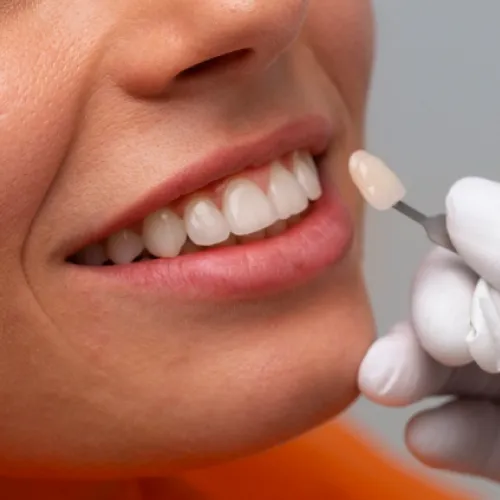
Crowns are often shaped and shaded to blend with nearby teeth, which can make the smile look more balanced and natural.
When Crowns Do Both
Many cases fall into both categories. For example, a front tooth that is cracked may need a crown to prevent more damage, but the crown also improves the appearance of the tooth. A back tooth after a root canal needs protection, but the crown also restores the tooth’s full shape for better chewing.
This dual role is exactly why there are many ways dental crowns are used in everyday dental care. They are practical, protective, and often smile-enhancing all at once.
Other Common Ways Dental Crowns Are Used
Besides the most talked-about uses, crowns are also part of other dental treatments.
Crowns on Dental Implants:
A dental implant replaces the root of a missing tooth, and a crown is attached on top to replace the visible tooth. In this situation, the crown is the part you see and chew with.
Crowns as Part of Bridges:
Crowns can also support a dental bridge by anchoring to teeth on either side of a missing tooth space. This helps restore your bite and appearance.
These are additional examples of the many ways dental crowns are used to restore smiles and improve day-to-day comfort.
What to Expect if You Need a Crown
If your dentist recommends a crown, the process usually includes:
- Exam and evaluation: Your dentist checks the tooth, reviews X-rays if needed, and confirms whether a crown is the best option.
- Tooth preparation: The tooth is shaped so the crown can fit securely.
- Impressions or digital scan: A custom model is taken so the crown fits your bite and looks natural.
- Temporary crown (in many cases): You may wear a temporary crown while the final one is made.
- Final crown placement: The custom crown is bonded into place and adjusted for comfort.
Your dentist will also give you tips on caring for your crown. Good brushing, flossing, and regular checkups help crowns last longer.
How to Know If a Crown Might Be Right for You
You may benefit from a dental crown if you have:
- A tooth that hurts when chewing
- A cracked or broken tooth
- A very large filling
- A tooth that had a root canal
- A worn-down tooth
- A tooth that looks damaged or misshapen
Even if the problem seems minor, it is worth having it checked. Catching a weak or cracked tooth early can sometimes prevent more serious damage.
Protect Your Tooth and Your Smile at Hillside Dental Care
There are many ways dental crowns are used, and that is exactly why they remain such an important part of dental care. They can protect weak teeth, restore damaged ones, improve appearance, and help you keep your smile working the way it should.
If you have a tooth that feels weak, looks damaged, or has been repaired multiple times, a crown may be the right next step. Schedule an appointment with Hillside Dental Care to have your tooth evaluated and get a treatment plan that fits your needs.


























DENTAL CARE TEAM Tucson, AZ
OUR SOCIALS
Check us out and follow our accounts on the following social media platforms