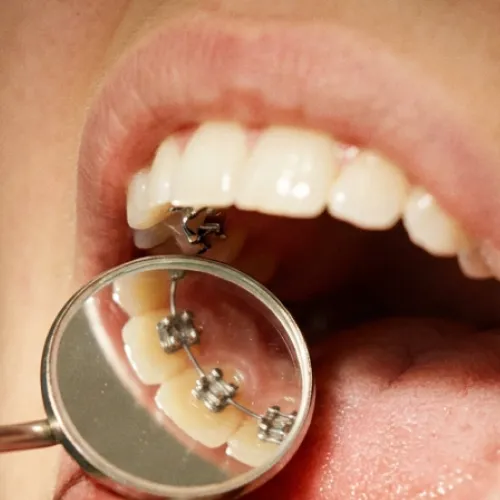
Lingual Braces: Why Fewer People Get Them (And Whether They're Right for You)
Curious about lingual braces? Discover why fewer people choose them, how long treatment takes, and if they're right for your smile. Book a consult today!
Read More

Restorative Dentistry
Dental implants are one of the most reliable ways to replace missing teeth. They look natural, chew like real teeth, and help protect your jawbone long-term. But here’s the part many people do not realize at first: implants are strong, yet they still depend on the health of the gums and bone around them.
So when patients ask, “Can implants last forever?” the honest answer is: they can last a very long time, and sometimes a lifetime, when you care for them the right way. Not because you need a complicated routine, but because small, consistent habits add up.
Below is what actually makes the difference, from the first week of healing to the years that follow.
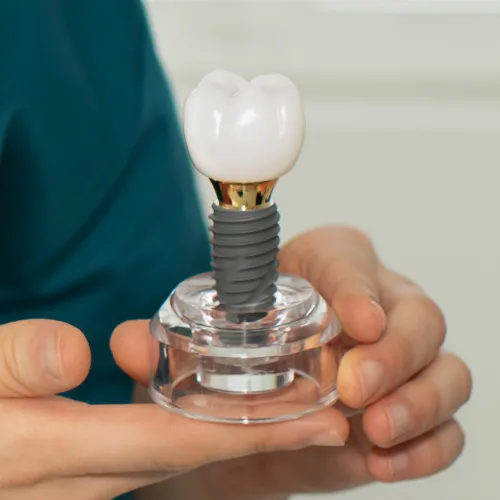
An implant is a titanium post placed in the jawbone, topped with a crown that looks like a tooth. Titanium is tough. The crown is tough. The weak link is usually neither of those. The most common reason implants fail over time is inflammation and infection around the implant (peri-implant mucositis or peri-implantitis), often driven by plaque buildup and gum disease.
That means your lifetime plan is simple in concept:
Do those consistently, and you dramatically improve the odds that your implant stays stable for the long haul.
Healing is when your implant “locks in” with the bone (osseointegration). During this phase, the goal is to protect the site and avoid anything that interrupts the healing process.
Your top priorities early on:
Healing does not need to be dramatic to be successful. Many people heal smoothly. What matters is consistency, not toughness.
Sleep sounds unrelated to dental implants, but it can affect swelling, comfort, and healing in the first several days.
Best sleeping habits after implant surgery:
What patients often get wrong:
They think “flat is fine” or they sleep on the implant side because it feels normal. If you wake up with extra throbbing or swelling, adjust your position the next night.
If you grind your teeth at night and already have a night guard, ask us when it is safe to resume using it. If you do not have one and you suspect grinding, that is worth addressing early because grinding can overload implants over time.
Most people are good at brushing. The misses usually happen in the spaces between teeth and right along the gumline.
Daily habits that help make dental implants last a lifetime:
1) Brush twice a day with intention:
You do not need harsh brushing. You need thorough brushing.
If your gums bleed a bit at first, do not panic and stop brushing. Bleeding is often a sign of inflammation. The solution is better cleaning, not less.
2) Clean between teeth every day:
This is the difference-maker. Choose the tool you will actually use.
Good options include:
If you only do one thing beyond brushing, let it be this: clean between your teeth daily.
3) Rinse when it makes sense:
Some people benefit from an antimicrobial rinse temporarily after surgery, or if gums are inflamed. But long-term, rinses are an add-on, not the foundation.
If we recommend a rinse, use it as directed. Overusing strong rinses can cause irritation for some people.
Most implant healing looks boring, which is a good thing. You want steady improvement over days and weeks.
Signs healing is generally on track:
Reasons to call Hillside Dental Care promptly:
One more thing: some tenderness is normal. Sharp, escalating pain or a feeling that something is “off” is not something to wait out. The earlier we check it, the easier it usually is to fix.
Think of implant care in three layers: daily, weekly, and professional maintenance.
Daily care (non-negotiable)
Weekly care (smart extras)
Even with excellent home care, plaque hardens into tartar in places your toothbrush cannot fully reach. That tartar can irritate gum tissue and contribute to peri-implant disease.
Your long-term routine should include:
This is where people accidentally shorten the life of an implant: they feel fine, so they stop coming in. Implants can develop problems quietly at first. Routine maintenance catches those early.
These are not always talked about, but they matter.
Do not treat your implant like a tool:
Avoid opening packages with your teeth. Avoid biting fingernails. Avoid chewing ice. These habits can damage crowns and stress the implant.
Be careful with very hard foods:
You can enjoy most foods with implants, but be thoughtful with extremely hard items (ice, hard candy, unpopped popcorn kernels). It is less about fear and more about avoiding unnecessary risk.
Address teeth grinding and clenching:
If you wake up with jaw soreness, headaches, or you have a history of worn teeth, you may be grinding. Grinding can overload implants and cause complications.
A custom night guard can be a game-changer for protecting your implant and your natural teeth.
Keep gum health a priority:
Gum inflammation around implants can progress faster than people expect. If you have a history of gum disease, you are not disqualified from implants, but you do need a tighter maintenance plan.
Patients who keep implants for decades usually have a few things in common:
It is not about perfection. It is about staying steady.
To help your dental implants last a lifetime, aim for this:
If you already have implants and want to make sure they stay healthy, or if you are planning implants and want to set yourself up for the best possible outcome, we can help.
Schedule an appointment with Hillside Dental Care to check your implant health, review your home-care routine, and catch small issues before they become expensive ones. A quick check now can make a big difference over the years.


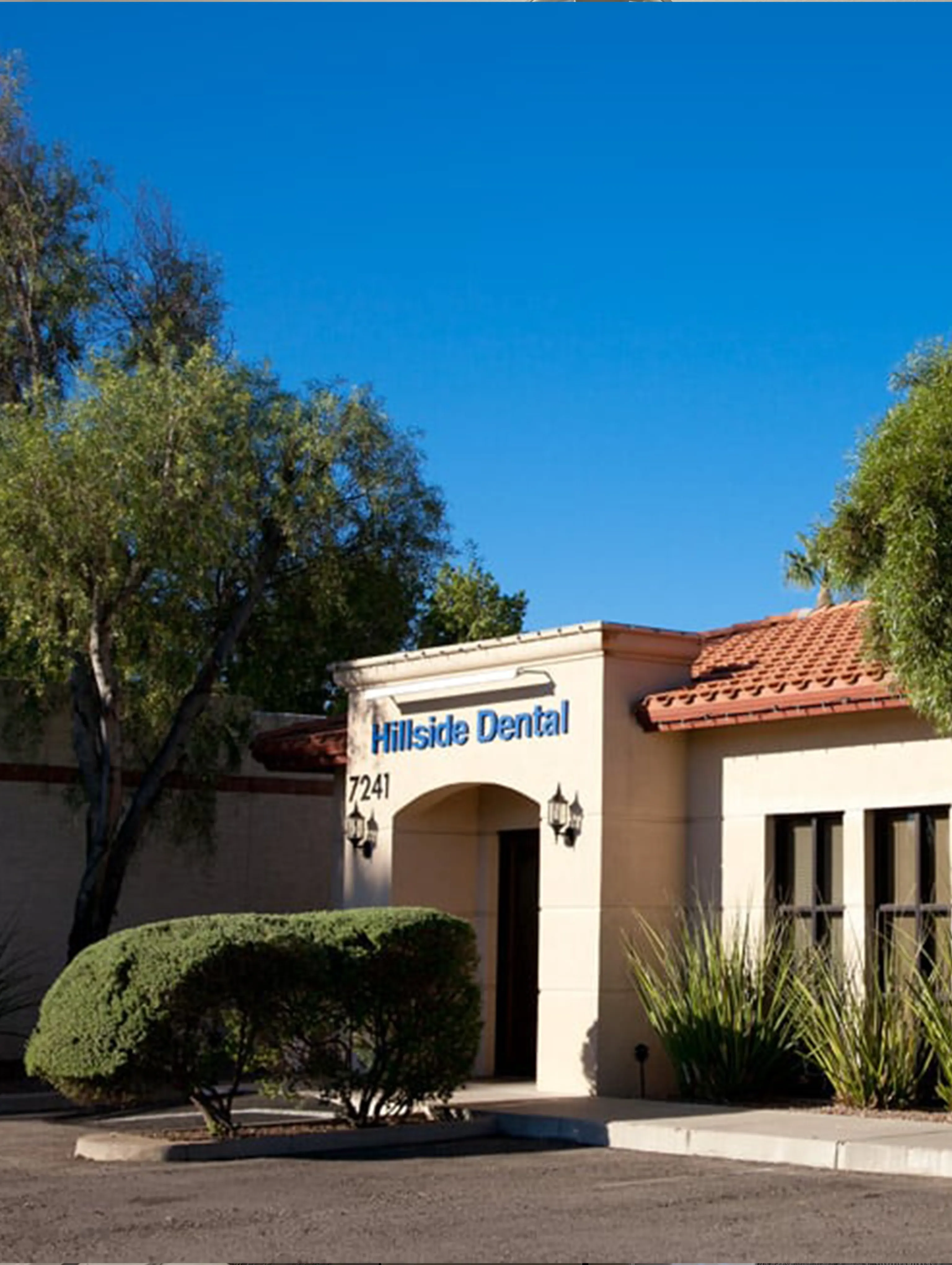
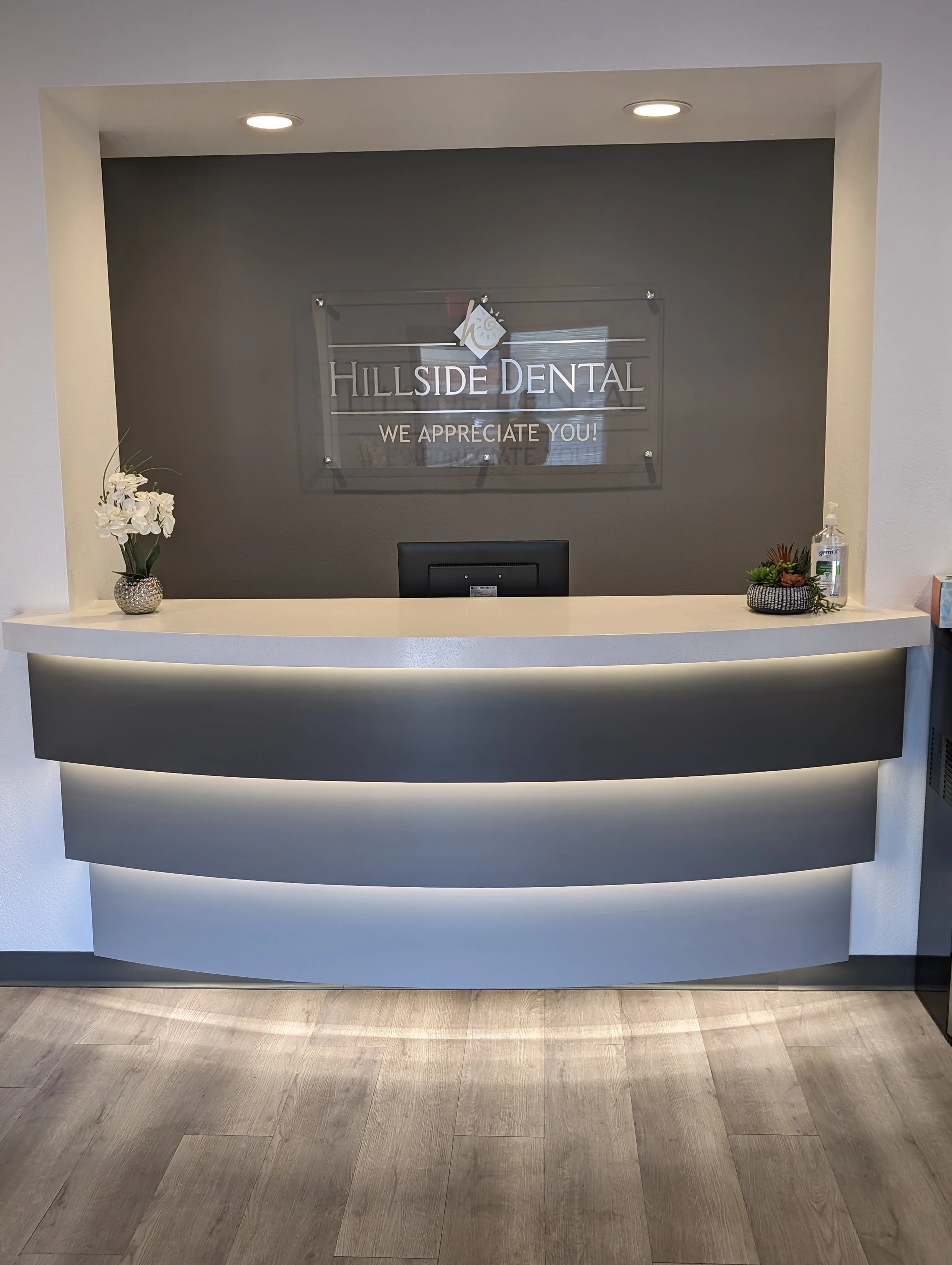
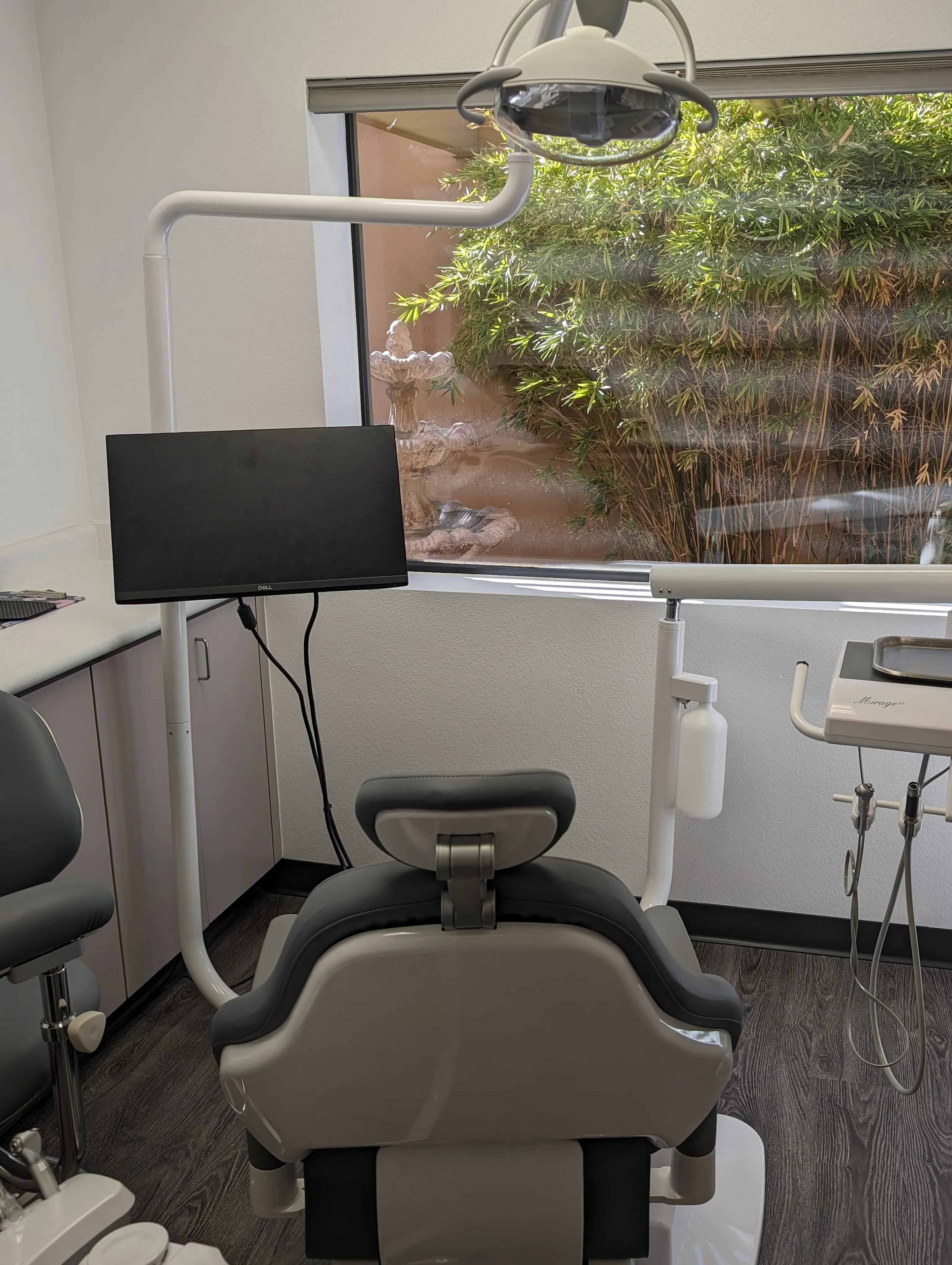



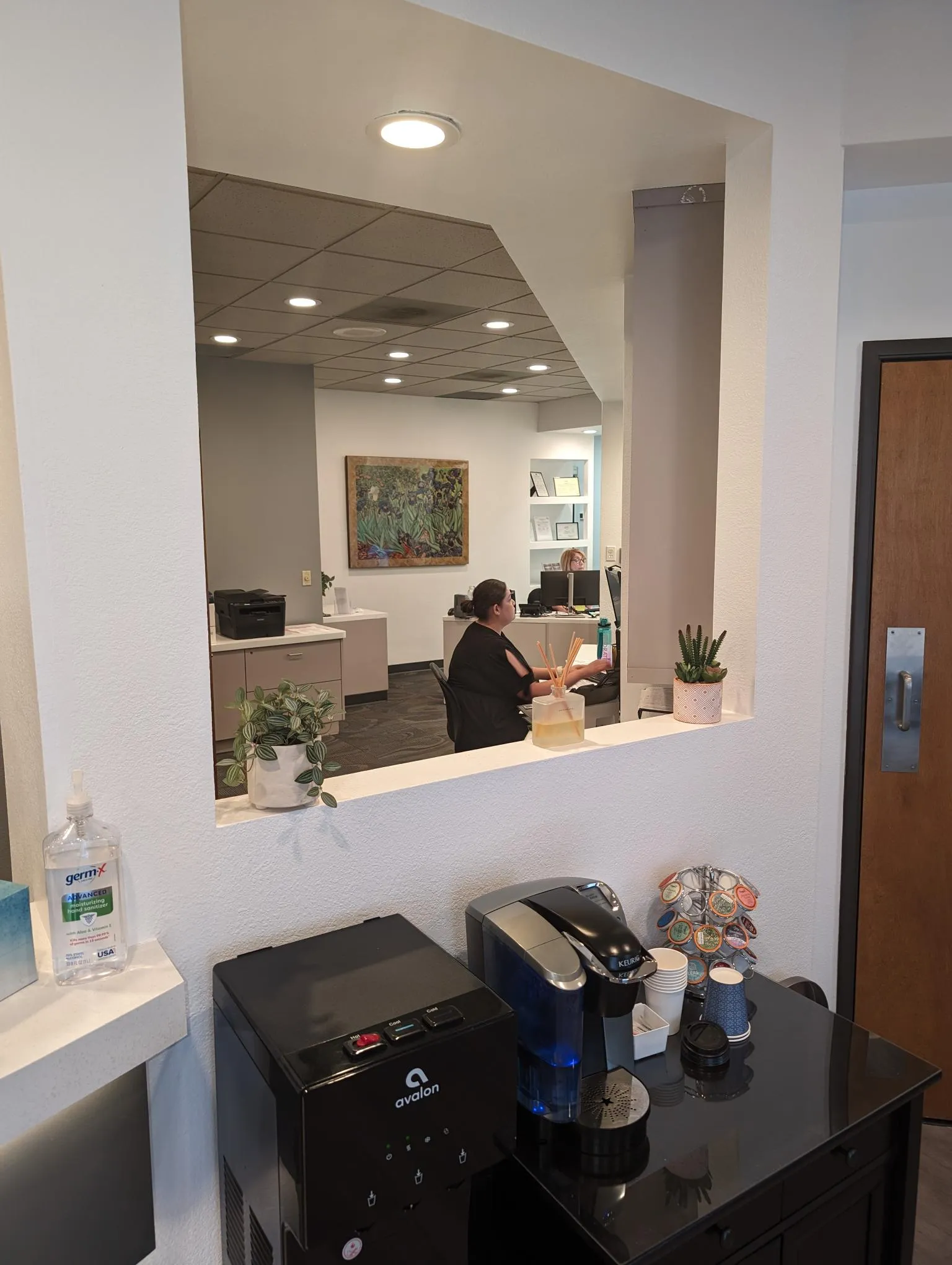
Tucson, AZ PREMIER DENTISTRY
Monday - Thu 8a - 3p
Fri - Sun Closed
7241 North Thornydale Rd
Tucson, AZ 85741
YOUR NEW DENTISTS IN Tucson
Check out what our patients are saying













EMERGENCY DENTAL CARE Tucson, AZ
Upholding the highest standards of dental excellence through our esteemed accreditations and industry affiliations

DENTAL CARE TEAM Tucson, AZ
OUR SOCIALS
Check us out and follow our accounts on the following social media platforms